Discover Exactly What Your Body Is Reacting To
Thailand's most comprehensive 222-food IgG intolerance test. Medically supervised at MICHIKO Aesthetics & Wellness, Bangkok. Stop guessing. Start healing.

Food Allergy vs. Food Intolerance
Most people live with chronic food intolerance for years without knowing it. Here is why it stays hidden and why standard allergy tests will never find it.
Food Allergy
Food Intolerance

Food Intolerance and Leaky Gut Syndrome
Food intolerance and leaky gut do not just coexist. They actively drive each other in a cycle that silently erodes your health over months and years.
Leaky gut syndrome (intestinal hyperpermeability) occurs when tight junctions of the gut wall break down. Partially digested food proteins pass into the bloodstream, triggering IgG immune responses. Eating those foods continues the inflammation, which keeps the gut lining damaged, which allows more particles to escape. The cycle deepens until the triggers are identified and removed.
Gut Barrier Breakdown
Diet, stress, medications, or dysbiosis weakens intestinal tight junctions, creating microscopic gaps in the gut lining.
Antigen Leakage
Partially digested food proteins cross the compromised barrier into systemic circulation where they do not belong.
IgG Immune Activation
Your immune system produces IgG antibodies against these food proteins, creating a delayed, systemic inflammatory response.
Chronic Inflammation
Low-grade inflammation spreads systemically, appearing as skin issues, fatigue, joint pain, hormonal disruption, and weight gain.
Further Gut Damage
Ongoing inflammation worsens permeability. The cycle continues until triggers are identified and removed through targeted testing.
Symptoms of Hidden Food Intolerance
Because IgG reactions are delayed by 24 to 72 hours, symptoms appear disconnected from what you ate. Doctors rarely connect them without targeted testing.
Digestive
- Chronic bloating after meals
- Abdominal cramping without clear cause
- Alternating constipation and diarrhea
- Excessive gas and flatulence
- Irritable bowel not responding to treatment
- Nausea after eating
Skin and Appearance
- Persistent adult acne
- Eczema or atopic dermatitis
- Recurring rashes without obvious cause
- Dull, uneven skin tone
- Premature skin aging
- Chronic complexion inflammation
Cognitive and Mood
- Brain fog and poor concentration
- Frequent headaches or migraines
- Mood swings and irritability
- Anxiety not explained by circumstances
- Poor sleep quality
Energy and Metabolism
- Chronic fatigue despite adequate sleep
- Weight gain disproportionate to caloric intake
- Difficulty losing weight despite diet and exercise
- Fluid retention and unexplained puffiness
- Energy crashes after meals
Immune and Systemic
- Frequent infections
- Joint pain or stiffness with no structural cause
- Autoimmune tendencies or flares
- Elevated inflammatory markers without diagnosis
- General malaise and low resilience
Non-Specific Syndrome
- Symptoms without a confirmed diagnosis
- Multiple doctors, no clear answers
- Insomnia without known cause
- Conditions that fluctuate without pattern
- Feeling unwell despite "normal" blood tests
What the MICHIKO IgG Panel Tests
Every major food category in Thai and international daily life is covered, making this one of the most complete panels available in Thailand.
- Cow's milk, Casein, Whey proteins
- Sheep's milk, Goat's milk, Buffalo milk
- Egg white, Egg yolk
- Alpha-lactalbumin, Beta-lactoglobulin
- Gliadin (gluten), Wheat, Durum wheat
- Barley, Spelt, Rye, Oats
- Rice, Corn, Buckwheat, Millet
- Quinoa, Amaranth, Couscous
- Almond, Cashew, Pistachio, Hazelnut
- Walnut, Peanut, Brazil nut, Macadamia
- Sunflower seeds, Flaxseeds, Pine nuts
- Ginkgo biloba, Sesame
- Apple, Banana, Mango, Pineapple
- Strawberry, Blueberry, Cranberry
- Orange, Lime, Lychee, Papaya
- Avocado, Grapes, Watermelon + more
- Tomato, Garlic, Onion, Spinach
- Broccoli, Cauliflower, Asparagus
- Soybeans, Lentils, Chickpeas, Peas
- White beans, Red beans + more
- Salmon, Tuna, Mackerel, Cod
- Sea bass, Herring, Sardine, Trout
- Shrimp, Lobster, Oyster, Mussel
- Squid, Octopus, Scallop, Clams
- Beef, Pork, Chicken, Lamb, Duck
- Turkey, Veal, Rabbit, Venison
- Goat, Quail, Wild boar, Ostrich
- Horse, Partridge
- Ginger, Garlic, Cinnamon, Basil
- Rosemary, Thyme, Cumin, Vanilla
- Coffee, Green tea, Cocoa, Honey
- Aloe vera, Spirulina, Agar agar
A Three-Level Reactivity Report
Every food is scored in U/ml and classified into one of three actionable categories. Your MICHIKO doctor explains every finding and builds your personalised protocol.
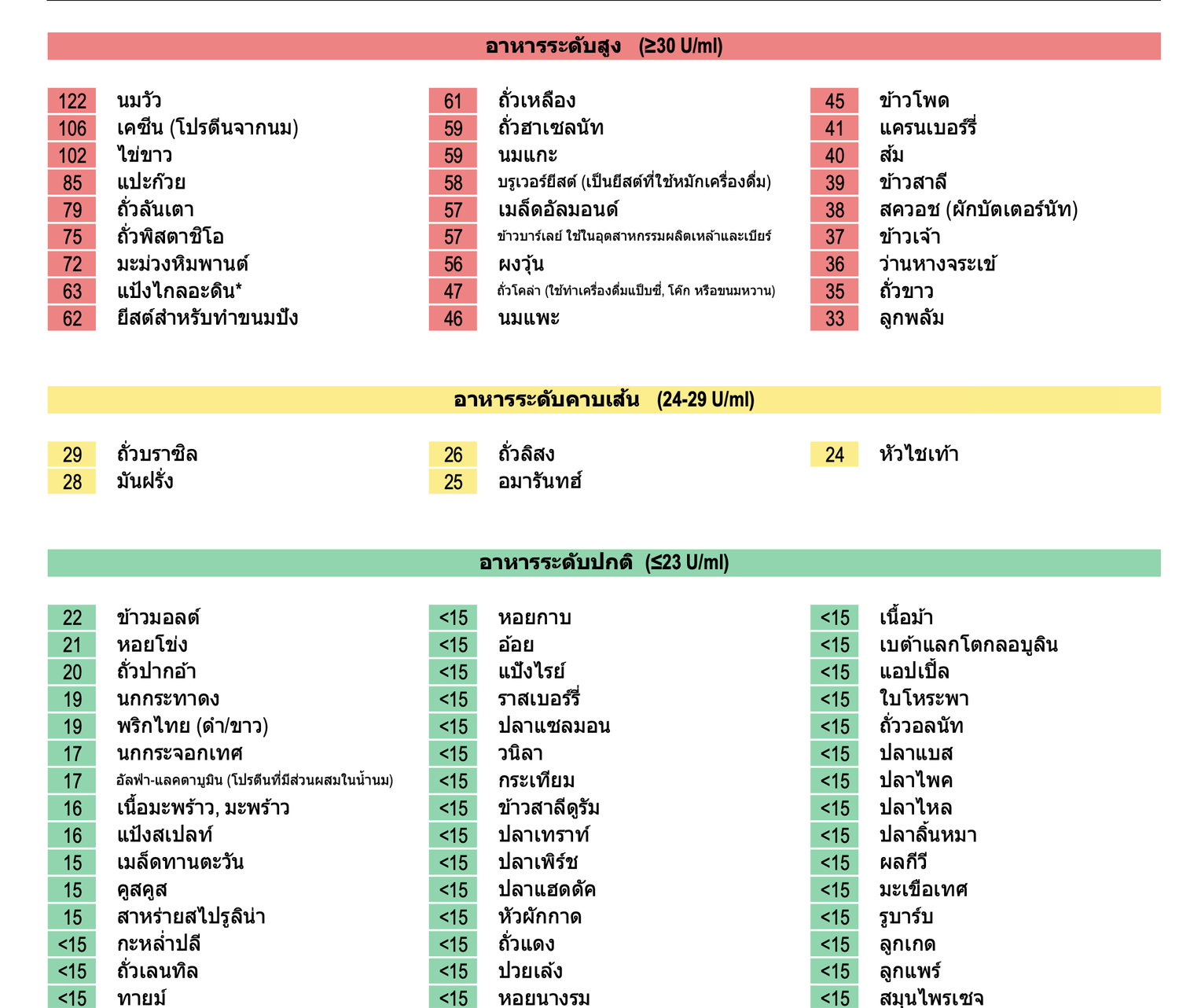
High Reactivity
Complete elimination for 3 to 6 months. These are your primary immune triggers and the first foods to remove during the gut healing phase.
Borderline
Reduce to once per week maximum. These foods show elevated IgG activity and should be significantly limited during your initial protocol.
Normal
No elevated immune response detected. These foods are currently well-tolerated and can be consumed as part of your regular diet.
Illustrative Result Profile — Real Patient Case at MICHIKO Clinic
FoodPrint 200+ IgG Panel • 222 Foods Tested
222-Food IgG Panel
with Full Medical Consultation
222-Food IgG Blood Test
Certified FoodPrint 200+ panel measuring IgG antibody response against 222 individual food antigens across all major dietary categories.
Doctor Consultation (Fee Included)
Pre-test and post-result consultations with a MICHIKO physician. Results are interpreted in full health context, not handed over as a raw printout.
Vitamin & Supplement Protocol
Personalised recommendations including probiotics, L-glutamine, digestive enzymes, and anti-inflammatory nutrients to support healing during elimination.
Comprehensive Results Report
Full organized report with all 222 foods ranked by IgG score and your personal high, borderline, and safe food lists organized by food group.
Dietary Modification Guidance
Your MICHIKO doctor helps you realistically restructure your diet with Thai-friendly alternatives and a sustainable elimination approach.
Full Wellness Integration
Seamless integration with MICHIKO's IV therapy, skin treatments, weight management, and hormonal support programs if needed.
The Four-Phase Protocol
Getting your results is the beginning. The MICHIKO protocol guides you through a structured elimination and gut healing journey with medically supervised milestones.
Elimination
All high-reactivity foods are completely removed. Borderline foods are reduced to once per week. Nutritional gaps are managed with targeted supplementation.
Gut Repair
Targeted supplementation supports intestinal barrier repair. Probiotics, L-glutamine, and anti-inflammatory nutrients restore tight junction integrity.
Reassessment
As symptoms resolve, eliminated foods are carefully reintroduced one at a time under medical supervision to test for restored tolerance.
Personalised Nutrition
A long-term dietary framework built on your actual immune profile. Informed, empowered eating that keeps your gut calm and symptoms resolved.
Why Leading Wellness Seekers Choose MICHIKO
There is a significant difference between a postal kit and medically supervised, clinically integrated food intolerance care in Bangkok.

Medically Supervised Throughout
Every test is ordered and interpreted by a qualified physician. Results are contextualized against your full health history, not handed over as raw data to interpret alone.
Integrated Wellness Ecosystem
Food intolerance results inform your entire MICHIKO health plan, from IV nutrient therapy and skin treatments to weight management and hormonal wellness.
Validated Laboratory Standard
MICHIKO uses the certified FoodPrint 200+ IgG ELISA methodology, a validated, reproducible clinical assay delivering accurate results across 222 food antigens.
Truly Personalised, Not Generic
Two patients with identical symptoms often have completely different food triggers. We find yours specifically. Generic elimination diets cannot match this precision.
Led by Expert Physicians
MICHIKO is led by Dr. Wisutthiya Boonsom, a board-certified specialist in Preventive and Anti-Aging Medicine with over 13 years of clinical experience.
Two Convenient Bangkok Locations
Soi Phaholyothin 21 near Ratchayothin, and EM Tower at EmSphere on Sukhumvit. Open daily 10:00 to 20:00. Easy BTS access at both branches.
Frequently Asked Questions
How is the food intolerance test performed?
A small blood sample is drawn at the MICHIKO clinic and sent to a certified laboratory. IgG antibody levels are measured against all 222 food antigens. Results are then reviewed with you in a doctor consultation, not sent as a PDF with no guidance.
Is this the same as a standard food allergy test?
No. Standard allergy tests measure IgE antibodies and detect immediate reactions only. The MICHIKO 222-food test measures IgG antibodies, identifying delayed immune reactions that standard allergy tests completely miss.
How long before I see results after changing my diet?
Most patients notice meaningful improvements in bloating, energy, and skin clarity within 2 to 4 weeks. More significant changes in skin conditions and systemic symptoms typically become apparent at 6 to 12 weeks.
What if I already eat a clean, healthy diet?
Many reactive foods are considered nutritionally excellent: cow's milk, eggs, almonds, oats, wheat. Food intolerance is about your immune system's specific response to proteins, not nutritional quality. Even very clean diets can contain chronic immune triggers.
Will I have to stop eating these foods forever?
Not necessarily. The goal is to eliminate trigger foods long enough for the gut to heal, then carefully reintroduce them to test restored tolerance. Many previously reactive foods can be reintroduced after 3 to 6 months of gut repair.
Can this help with my skin concerns?
Yes. The gut-skin axis is well established. Chronic food IgG reactions drive systemic inflammation that appears as adult acne, eczema, and premature aging. Many patients with treatment-resistant skin conditions see dramatic improvements through IgG-guided dietary changes.
Can food intolerance affect my weight?
Yes. Chronic IgG-driven inflammation impairs insulin sensitivity, disrupts leptin and cortisol signaling, promotes fat storage, and causes fluid retention. Many patients find weight management becomes substantially more responsive after identifying and removing their food triggers.
Is the 222-food panel sufficient coverage?
The FoodPrint 200+ panel covers all major dietary categories and foods most commonly consumed in Thai and international diets. It is one of the most comprehensive IgG panels available in clinical practice in Thailand and sufficient for identifying key triggers in the vast majority of patients.
Ready to Stop Guessing and Start Knowing?
222 foods. One blood test. A personalised roadmap to resolving what has been holding your health back. Available now at MICHIKO Wellness Bangkok.